
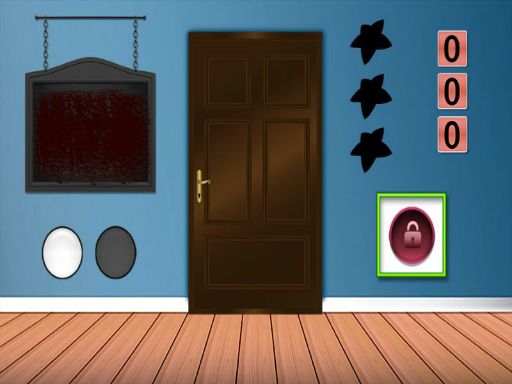
Blue Room Escape Puzzle Adventure
Reviews
Blue Room Escape Puzzle Adventure keeps its scope tight: one room, one exit, and a set of logic puzzles standing in the way. That focus works in its favor for players who want a browser puzzle they can finish in a single sitting. The absence of a timer lowers pressure, and the family-friendly content makes it easy to share with younger players. The main limitation is variety, since everything happens in a single space. Puzzle fans who enjoy hidden-object searching and inventory combinations will get the most from it.
About this game
Room Exploration and Object Discovery
Blue Room Escape Puzzle Adventure places the player inside one blue room with a single clear goal: get out. Progress depends on examining the space carefully rather than reacting quickly. Hidden objects are placed throughout the scene, and finding them is the first step toward solving the puzzles that block the exit. Because the game is built for point-and-click play, every interaction begins with a mouse click on something in the room. The design rewards players who check corners, surfaces, and less obvious spots instead of rushing through the visible areas.
Puzzle Logic and Inventory Use
The puzzles in Blue Room Escape Puzzle Adventure are logic-based. Clues found in one part of the room often connect to objects or mechanisms elsewhere, so the challenge is recognizing those links. Collected items go into an inventory, and combining them can produce tools needed to unlock new areas or solve a puzzle. There is no timer, which means players can study a clue for as long as they like before acting. The difficulty comes from observation and sequencing, not from speed or reflexes.
Who This Escape Game Suits
Blue Room Escape Puzzle Adventure is described as family-friendly, with no violence and no frightening themes. That makes it appropriate for children and adults playing together, as well as for solo players who want a low-pressure puzzle session. The simple controls keep it accessible to people who do not normally play action games. Casual gamers and dedicated puzzle fans are both part of the intended audience, since the game is easy to start but still asks players to think through each step.
Approach and Pacing
Patience is the main skill the game tests. Examining each scene thoroughly, trying inventory combinations, and revisiting objects in a different order are the practical ways to move forward when a puzzle stalls. Because the room is the entire play space, there is no travel or resource management to distract from the puzzle itself. The result is a compact escape room experience that fits in a browser and can be finished in a single sitting without pressure.
Compatibility
FAQ
Comments
Sign in to leave a review
No comments yet.



Editorial Notes