
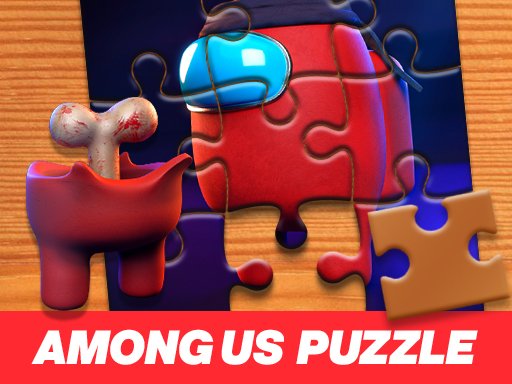
Puzzle Planet: Jigsaw Challenge
Reviews
Puzzle Planet: Jigsaw Challenge strips away timers and scores to focus on the simple satisfaction of fitting pieces together. The range from 12 to 100 pieces gives players a genuine choice between a quick session and a longer project. The Among Us-inspired artwork adds recognizable charm, though players seeking narrative depth or competitive features will not find them here. It is best understood as a quiet, accessible pastime for families or anyone who enjoys low-pressure logic puzzles.
About this game
Building Pictures Piece by Piece
In Puzzle Planet: Jigsaw Challenge, the objective is straightforward: drag pieces from a side panel onto a central board until the full image is recreated. Pieces can be rotated with a click to find the correct orientation. A preview of the finished picture is available at any time, which helps players judge where a piece belongs. There are no timers, no scores, and no fail states—the game moves only as fast as the player decides.
Puzzle Sizes and Visual Themes
Puzzles come in multiple sizes, from a simple 12-piece set up to a more involved 100-piece arrangement. The artwork draws on character designs familiar from the Among Us universe, giving each completed scene a recognizable, playful look. Because the images are colorful and distinct, they work well for players who prefer matching by color and pattern rather than by shape alone.
A Calm, Accessible Approach
Without time limits or scoring systems, the game removes the pressure common in many casual puzzlers. The controls are simple enough for young children, and the content is designed to be safe for all ages. Completion time may be tracked for players who want to monitor their own progress, but it never becomes a requirement. This makes Puzzle Planet a practical choice for quiet family time or personal unwinding after a long day.
Practical Strategies for Smoother Assembly
Starting with edge pieces creates a border that gives the rest of the puzzle a structure. Sorting pieces into edge and center groups before placing them saves time later. When a piece does not seem to fit, rotating it often reveals the correct orientation. Working on small sections—such as a distinct color area or a character's face—keeps progress steady. If you feel stuck, stepping away briefly can make the next piece easier to spot.
Compatibility
FAQ
Comments
Sign in to leave a review
No comments yet.



Editorial Notes