
Fairness Logic Adventure
Reviews
Fairness Logic Adventure turns a simple resource-transfer idea into a thoughtful puzzle. The core rule is easy to grasp, but later levels add move limits, timers, and special items that demand planning. Bright visuals and calm audio keep the experience approachable for younger players, while the underlying logic can still challenge adults. The main limitation is that the concept stays narrow, so players seeking variety may find it repetitive.
About this game
The Balancing Act
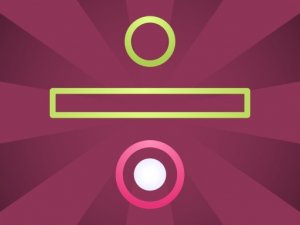
Fairness Logic Adventure builds its puzzles around a single idea: one group has more than the other, and you move items from the abundant side to the needy side until both match. Clicks or taps handle every transfer, so the interface stays out of the way. The twist is that giving too much breaks the balance just as badly as giving too little, which forces you to think about moderation rather than simply filling the smaller pile.
How Levels Change
Early stages use plain setups so new players can learn the rule without pressure. Later puzzles add constraints such as a limited number of moves or a countdown timer, pushing you to plan transfers more efficiently. Some levels include special items that temporarily change how resources flow, which adds variety without altering the core rule. The difficulty curve stays gentle enough that different age groups can find a suitable challenge.
Presentation and Tone
Bright colors and friendly character designs keep the mood light. Upbeat background music plays without demanding attention, and sound effects for moving items and completing levels give clear feedback. The overall presentation avoids intense or frightening elements, so younger players can explore the puzzles on their own.
Skills Behind the Puzzles
Each level rewards logical reasoning and strategic planning. You learn to evaluate a situation before acting, consider several steps ahead, and adjust when an initial plan fails. The game also introduces fairness and resource distribution in a non-political, age-appropriate way, which gives parents and educators a natural starting point for discussion.
Compatibility
FAQ
Comments
Sign in to leave a review
No comments yet.






Editorial Notes