
Wave Rider: Water Coach Racing
Reviews
Wave Rider: Water Coach Racing stands out by making the water surface an active part of the race rather than a static track. The hybrid coach-watercraft responds to wave timing, and procedurally generated patterns keep repeated runs from feeling identical. AI opponents with distinct behaviors add strategic depth, while the simple control scheme keeps the game approachable for families. The main limitation is that customization details remain unspecified, but the short sprint format and scalable difficulty suit players who want quick, skill-based races.
About this game
Vehicle Concept & Handling
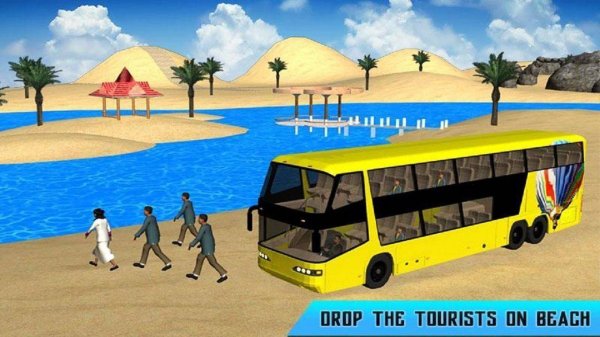
Wave Rider: Water Coach Racing introduces a hybrid machine that pairs the feel of a passenger coach with the agility of a personal watercraft. The vehicle skims across the ocean surface and responds to both steering input and the natural rise and fall of waves. Handling depends on wave timing: accelerating into a crest can provide a speed boost, while poor positioning may slow progress. This dual-nature design offers a fresh challenge for racing fans who enjoy mastering unconventional vehicles.
Water Physics & Track Dynamics
Unlike traditional racing games with static tracks, the racing surface in Wave Rider is alive and constantly changing. Wave patterns shift throughout each race, creating an environment where no two laps feel identical. Players must read the water ahead, adjusting their line to maintain stability and speed. The physics simulation ensures that waves affect vehicle pitch and yaw, adding a layer of depth to what might otherwise be a simple point-to-point race. This dynamic element rewards players who adapt quickly to changing conditions.
Competition & AI Opponents
The game pits players against a field of AI-controlled opponents, each with distinct racing behaviors. Some opponents take aggressive lines, while others prioritize stability. Learning to predict and counter these patterns becomes part of the strategy. Races are structured as short sprints, making them ideal for quick play sessions, but the AI difficulty scales to provide a meaningful challenge for those seeking longer play. Victory requires not only speed but also smart positioning relative to both waves and other racers.
Control Scheme & Accessibility
Controls are designed for immediate accessibility. On-screen buttons handle acceleration, steering, and a special maneuver that provides a short burst of speed. The learning curve is gentle enough for newcomers to enjoy their first race, yet the wave physics offer depth for experienced players to refine their technique. The game avoids complex button combinations, focusing instead on timing and spatial awareness. This approach makes it suitable for players of all ages and skill levels, aligning with its family-friendly classification.
Visual Style & Atmosphere
The 3D presentation captures the feel of open water with bright, clear visuals. The coach model is detailed, and the water surface features realistic reflections and wave animations. The color palette leans toward vibrant blues and whites, creating an inviting atmosphere. The interface is clean and unobtrusive, keeping the focus on the racing action. This visual approach supports the game's casual nature, making it visually appealing without being overwhelming.
Session Design & Replayability
Each race is designed to be completed in a few minutes, making the game suitable for short breaks or extended play sessions. The dynamic wave system ensures that replaying the same course feels different each time, as wave patterns are procedurally generated. Players can also experiment with different coaches, though specific customization options are not detailed. The combination of quick race length and variable track conditions encourages repeated play without becoming stale.
✅ Compatibility & Testing
FAQ
Comments
Sign in to leave a review
No comments yet.






Editorial Notes