
128k Mystery Puzzle Game
Reviews
128k Mystery Puzzle Game trades speed for scrutiny. Its strength is the discipline it demands: every menu, icon, and text block matters, and the password only emerges from connecting them. Players who enjoy methodical deduction and a nostalgic computing aesthetic will find a focused challenge. Those wanting fast feedback or explicit guidance may lose patience. Online hints exist but undercut the intended sense of earned discovery.
About this game
The Password Hunt
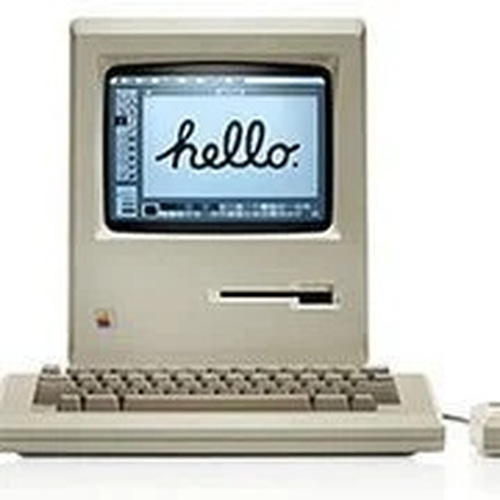
Your single objective is to uncover a password hidden somewhere within a simulated vintage Macintosh desktop. Nothing on screen is decorative by accident. Menus, icons, and text blocks all serve as potential clue sources. The game deliberately withholds obvious instructions, trusting you to read the interface itself as the puzzle.
Reading the Desktop
Interaction is deliberately limited: a mouse for clicking interface elements and a keyboard for typing password attempts. That constraint is the point. With no inventory, no combat, and no timer, the only variable you control is where you look and how you connect what you find. Clicking a menu may reveal a phrase; an icon may open a window with a date or a name. The password emerges from relationships between these fragments, not from any single screen.
Why Patience Beats Guessing
Brute-force typing rarely works here. The design assumes you will slow down, re-examine the same elements, and notice details you skipped the first time. The game explicitly suggests stepping away when stuck, because fresh eyes often catch what focused staring misses. This makes 128k Mystery Puzzle Game a poor fit for players who want fast feedback loops, and a strong fit for those who enjoy methodical, self-directed problem-solving.
Hints and Independence
Online hints exist for players who need them, but the game frames them as a fallback rather than a feature. Solving without help is the intended experience, and the satisfaction comes from earning the answer through your own observation. The retro computing aesthetic reinforces that tone: it feels like sitting at a machine from another era, working something out by hand.
Compatibility
FAQ
Comments
Sign in to leave a review
No comments yet.







Editorial Notes