
Tile Doubler Puzzle
Reviews
Tile Doubler Puzzle takes a straightforward concept and turns it into an engaging mental workout. The minimalist design lets players focus entirely on strategy, while the gradual difficulty increase keeps sessions interesting. The game excels at teaching pattern recognition and forward planning without feeling like a lesson. Each move matters, and the satisfaction of pulling off a well-planned merge sequence is genuine. It is an excellent choice for casual play or for those who enjoy logic puzzles.
About this game
Core Gameplay Loop
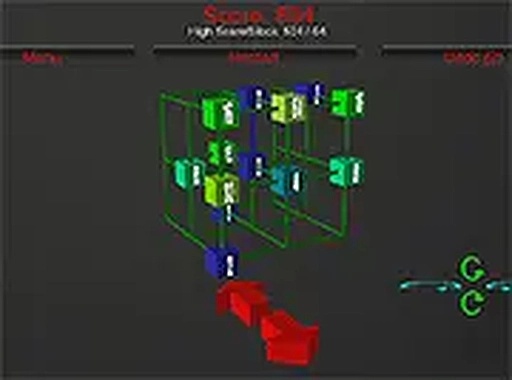
Tile Doubler Puzzle presents a 4x4 grid where each tile displays a number. Using keyboard arrows or mouse clicks, players shift all tiles in one direction. When two tiles with the same number collide, they combine into a single tile with double the value. After each move, a new tile appears on the board, gradually filling the space. The primary objective is to create a tile with the highest possible value before the grid becomes completely blocked.
Strategic Depth
Success depends on forward thinking and pattern recognition. Players must anticipate how each move will rearrange the board and plan sequences that create merge opportunities. Keeping the highest-value tile in a corner often provides more control over the board layout. As the grid fills, every decision carries more weight, and a single misstep can end the game. The challenge scales naturally as players improve their ability to recognize optimal move sequences.
Visual Design and Feedback
The interface uses a clean, minimalist style with distinct colors for each tile value. Smooth animations clearly show tile movements and merges, providing immediate feedback. A score counter tracks progress, and the current highest tile is always visible. The lack of distracting elements helps players concentrate on the puzzle itself. The design ensures that the game remains accessible to new players while offering depth for experienced ones.
Variety and Replayability
Each session generates a different sequence of new tiles, ensuring that no two games play exactly alike. Some versions of this type include optional power-ups that can remove a tile or shuffle the grid, adding tactical choices. Dynamic challenges may alter the board during play, introducing unexpected situations. These elements keep the core experience fresh without overwhelming the player. The game tracks high scores, encouraging repeated attempts to beat personal bests.
Learning Curve and Accessibility
New players can grasp the basic rules in minutes, as the only action is sliding tiles. The game provides clear visual feedback for every move, making it easy to understand cause and effect. Beginners can start with simple strategies, such as focusing on one corner, and gradually learn more advanced techniques. There is no time pressure, allowing players to think at their own pace. The difficulty arises naturally from the increasing density of tiles on the grid.






Comments
Sign in to leave a review
No account? Create one
No comments yet.